
Top Offshore Online Casinos for 2025: Safe Payouts, Big Bonuses, and Global Access
Picture this: you’re on a beach in Thailand, phone in hand, and you want to spin a few slots without hunting down a local casino—that’s where offshore online casinos step in, letting you play from anywhere with an internet connection. These platforms operate outside your home country’s borders, so you simply sign up, deposit with a card or crypto, and dive into thousands of games like blackjack, roulette, or live dealer tables. The real perk is total freedom and flexibility, from bigger bonuses to 24/7 access, with no need to dress up or leave your couch—just log in, pick a game, and cash out straight to your wallet when you win.
What Exactly Are Offshore Online Casinos and How Do They Work?

An offshore online casino operates from a jurisdiction outside your home country, meaning its servers, payment processing, and legal entity reside abroad. When you play, your device connects directly to that foreign platform, bypassing your local banking network. Deposits and withdrawals flow through international payment gateways, often converting currency along the way. The games themselves run via software hosted on offshore servers, with results determined by random number generators (RNGs) that are independent of your location. A practical distinction: your account agreement, dispute resolution, and payout terms are bound by that foreign operator’s rules, not your domestic consumer protections. For the player, the core workflow is identical to any online casino—register, fund, wager, withdraw—but the money trail and contractual safety net exist entirely outside your country’s financial system. This is how an offshore online casino works in practice.
The Simple Mechanics Behind Playing at a Casino Based Outside Your Country
Playing at an offshore casino hinges on a few straightforward technical steps. After account creation, you deposit funds via payment methods like crypto or e-wallets, which bypass domestic banking restrictions. Your device then connects directly to the casino’s foreign servers through a standard HTTPS connection, masking your physical location for gameplay. Wagers are processed in real-time on those servers, with random number generators determining outcomes, independent of your local jurisdiction. Withdrawals return through the same digital channel, often taking 24–48 hours. The core mechanic is simply a remote server-client transaction, where your internet connection acts as the only bridge between your wallet and the operator’s foreign-hosted platform.
Understanding Currency, Payouts, and How Your Funds Move Across Borders

When you play at an offshore casino, your funds move through multi-currency accounts, often settled in USD, EUR, or crypto. Payouts are processed via bank wires, e-wallets, or stablecoins, with conversion fees applied at the merchant bank’s rate—typically 1–3% above mid-market. Withdrawal timelines depend on the payment rail: e-wallets clear in hours, while international wires take 3–5 business days due to intermediary bank checks. Always verify the casino’s *settlement currency* before depositing, as this determines your net payout after forex spreads. Cross-border payout timing hinges on your chosen withdrawal method and the destination country’s banking infrastructure.
Q: How do I avoid losing money to currency conversion when withdrawing? A: Request payouts in your home currency only if the casino offers a fixed rate; otherwise, use a multi-currency e-wallet (e.g., Wise or Skrill) to convert at wholesale rates, and always confirm whether the casino absorbs the SWIFT intermediary fee.
Why Do Players Choose These Platforms Over Local Options?
Players often choose offshore online casinos over local options primarily for the sheer breadth of game libraries, which typically include hundreds of titles from multiple software providers, whereas local platforms may be restricted to a handful of licensed vendors. This wider selection directly addresses the desire for variety and novelty that domestic sites frequently fail to satisfy. Additionally, offshore platforms commonly offer more flexible payment methods, including cryptocurrencies that ensure faster withdrawals and greater anonymity, while local operators are often bound to slower, traditional banking rails. A significant practical advantage is the superior value through consistent bonuses and lower wagering requirements, which are often leaner or heavily taxed onshore. *However, the true decision often hinges on the perception of unrestricted access rather than a measurable flaw in local service quality.* These factors collectively create a compelling, user-driven incentive rooted in convenience, choice, and cost-effectiveness.
Bigger Bonuses, Better Odds, and More Generous VIP Programs
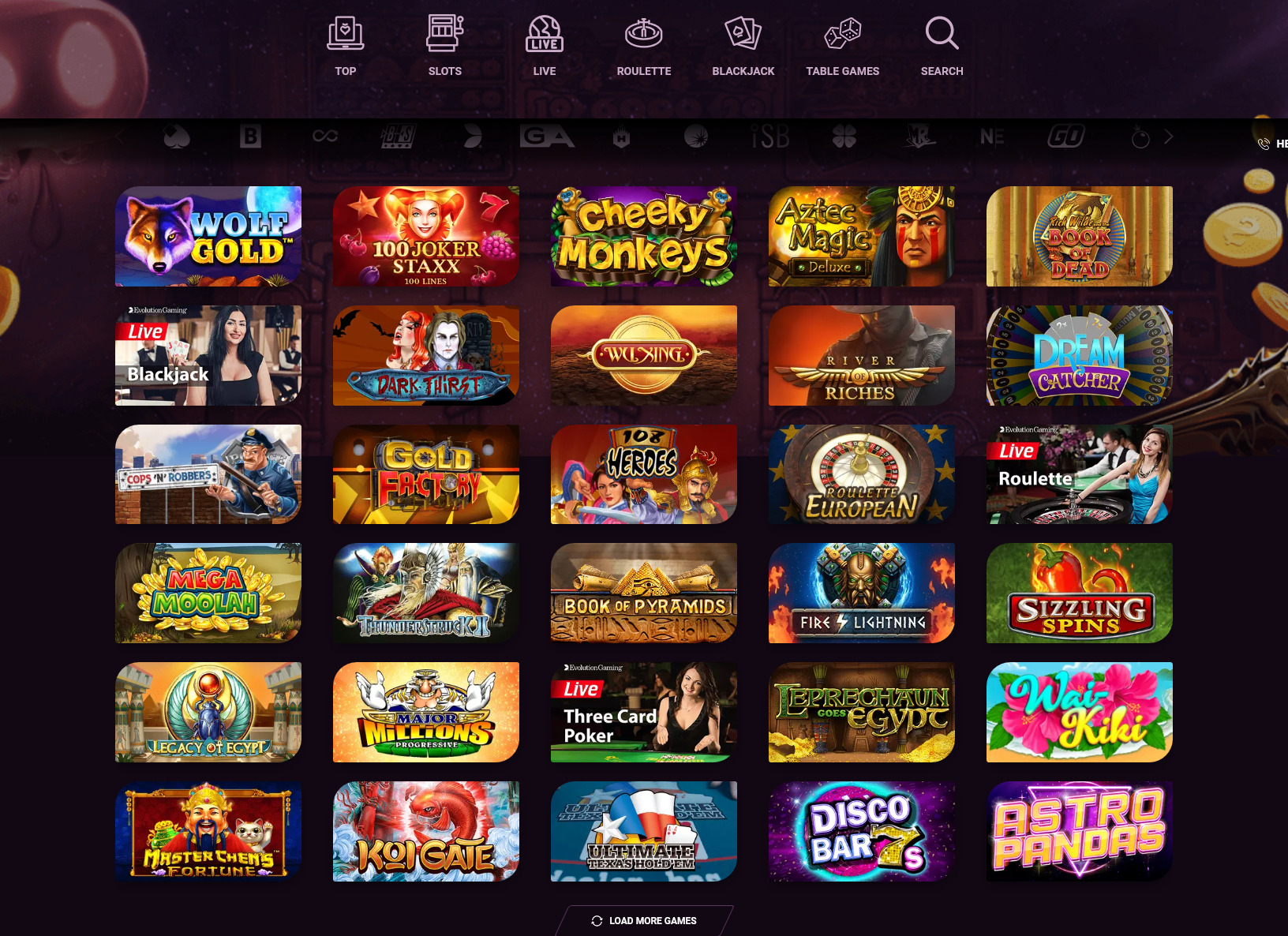
Offshore casinos hook players with bigger bonuses and better odds that local sites rarely match. You’ll see welcome packages doubling your first deposit twice over, plus free spins that actually come without crazy wagering chains. The odds on slots and blackjack tilt slightly in your favor because these platforms run leaner costs, so every spin feels less punishing. Then there’s the VIP treatment—loyalty programs here climb faster, with cashback on losses, personal account managers, and withdrawal boosts that local VIP desks just don’t offer. It’s simple: more play, better returns, and perks that make you feel like a high roller from day one.
Access to Games and Providers That Are Missing at Home
Offshore platforms become the only route to exclusive offshore game libraries when local operators license just a fraction of the global catalogue. Players chase titles from studios like Hacksaw, Nolimit City, and Pragmatic Play that domestic sites ignore due to licensing costs or regional content restrictions. Live dealer rooms, crash games, and high-volatility slots often appear abroad months before they reach home markets, forcing players to switch for early access. Similarly, providers specializing in non-standard formats—such as crypto-native games or Megaways variants—operate almost exclusively offshore, creating a concrete gap in local supply. If a game is missing domestically, the offshore portal is the only practical tap.
Q: Why can’t I find these missing providers on my local casino?
A: Local operators often drop low-demand providers to streamline their portfolio, while offshore sites stock broader catalogs to attract international players, so those games exist only abroad.
How to Pick a Safe and Reliable Offshore Gaming Site for Your First Deposit
Before committing your first deposit to an offshore online casino, verify the site’s withdrawal policy and payment processing times, as these reveal true reliability. Look for platforms that offer multiple encrypted banking options, such as e-wallets and cryptocurrencies, which add a buffer between your bank and the operator. Test the customer support with a pre-deposit question about cashout limits; a trustworthy offshore site responds clearly and promptly. Also, check for a visible random number generator certification or third-party fairness seal, which signals that gameplay isn’t rigged.
Start with a small deposit to test the actual payout speed and fee structure before funding your full bankroll.
Finally, scan independent player forums for recent complaints about withheld winnings, focusing on patterns rather than isolated gripes. Your safest first deposit is only possible at an offshore casino that proves its payout integrity before you fund it.
The Key Features to Check Before You Hand Over Your Credit Card
Before you hand over your credit card to an offshore casino, verify the checkout page enforces **bank-grade encryption** (look for TLS 1.2 or higher in the URL). Confirm the operator uses a third-party payment gateway—never a direct bank transfer to a personal account. Check whether the site requires 3-D Secure authentication for every transaction, not just the first deposit. Scan the terms for hidden “processing fees” or withdrawal restrictions tied to card deposits. Finally, test the card decline and chargeback policy in a live chat: a reliable casino will clearly explain reversal timelines. A red flag is any site that asks for your CVV code outside the payment form.
- Validate the padlock icon and certificate issuer (DigiCert, Sectigo).
- Ensure the merchant name on your statement matches the casino’s legal entity.
- Check if they support one-time virtual card numbers for extra privacy.
- Confirm the deposit limit aligns with your intended stake—no forced minimums above $10.
Reading Between the Lines: What Payment Methods and Withdrawal Speeds Tell You
When you’re sizing up an offshore casino, your first deposit is a test, and payment options are the tell. If you see loads of e-wallets, crypto, and prepaid cards, that’s a solid sign of flexibility; a site that only pushes bank wires or obscure methods is either lazy or hiding something. Withdrawal speed is the real giveaway though—fast cashouts signal genuine liquidity and respect for players, while anything quoted beyond 48 hours for e-wallets or crypto suggests they’re holding funds to frustrate you. Always check the fine print for hidden fees or “manual review” delays that magically appear at payout time. A trustworthy operator lists clear processing times upfront, not vague promises. If you see instant or same-day withdrawals, you’re likely dealing with a site that actually has your money—not gambling with your patience.
How to Verify Fair Play and Random Number Generators Without Prior Experience

You don’t need a tech background to verify fair play. First, check the casino’s footer for a seal from an independent testing agency like eCOGRA or iTech Labs; click it to confirm it leads to a live verification page listing the specific games audited. Next, locate the game’s “info” or “help” screen—most reputable providers display a unique game ID or certification number you can cross-reference on the provider’s official website. For random number generators, look for a stated RNG version (e.g., “Mersenne Twister”) and search that phrase alongside the provider’s name; if no documentation appears, treat it as unverified. Many offshore sites publish monthly payout percentages, but these are self-reported unless an auditor’s signature accompanies them. Finally, play a few free rounds and compare your observed hit frequency to the game’s published return-to-player percentage—gross discrepancies signal manipulation. Verifying RNG fairness without prior experience boils down to checking third-party seals, cross-referencing game IDs, and testing observed outcomes against stated odds.
Trust only audited games, confirm seals link to active reports, and match your play results to published RTP—these three steps require no technical skill and expose rigged RNGs.
Practical Tips for Managing Your Bankroll and Staying Anonymous While Playing Abroad
When playing at offshore online casinos while traveling, split your bankroll into separate wallets or crypto addresses—never keep it all in one place. Use a dedicated e-wallet or prepaid card loaded only with your gambling funds, so a losing streak can’t drain your daily spending cash. For anonymity, pay with cryptocurrencies like Bitcoin or Monero, which won’t link transactions to your name, and always connect through a reliable VPN to mask your IP address. Set strict session limits on the casino’s platform before you start, and withdraw winnings to a separate cold storage wallet to keep your balance safe. Finally, log out and clear your browser history after each session to leave no digital trail of your offshore activity.
Using Crypto and E-Wallets to Keep Transactions Private and Fast
For offshore play, crypto and e-wallets minimize both friction and surveillance. A prepaid e-wallet like Skrill or Neteller creates a buffer between your bank and the casino, settling withdrawals in seconds without exposing your IBAN. Crypto, especially privacy-focused coins like Monero or Litecoin, bypasses card networks entirely—no chargeback risks, no bank flags on international spending. Fund your wallet via P2P exchange, then deposit directly; the casino only sees a hash, not your identity. Withdrawals return to the same wallet, avoiding intermediary delays. Always test a small transfer first to confirm the casino’s address whitelist works, and keep a dedicated wallet for gambling to isolate transaction history from your main savings.
Fast, private offshore transactions rely on e-wallet buffers and untraceable crypto, keeping bank records clean and withdrawals near-instant.
Setting Limits and Using Tools That These Sites Offer for Responsible Gaming
When you’re playing at offshore casinos, the best way to keep things fun is to set limits before you even start. Most sites offer deposit caps, loss limits, and session timers right in the cashier or settings menu—use them like a safety net, not a restriction. You can also activate reality checks that pop up every 15 minutes, reminding you how long you’ve been at it. Don’t skip the self-exclusion tools either; a temporary cooldown of 24 hours or a week can save you from chasing losses. These features work quietly in the background, letting you stay anonymous while managing your bankroll with built-in controls—no one else sees them, and you stay in charge.
Your Common Questions About Playing at International Gambling Sites, Answered

When you first step into an offshore online casino, the biggest question isn’t about odds—it’s about whether your money will move safely across borders. You’ll wonder if your local bank card will even work, and the honest answer is: often not, so you’ll likely end up using crypto or e-wallets that feel foreign at first. Deposits are usually instant, but withdrawals can take two to five days, depending on whether the site holds a “pending” period—something you only learn after reading the fine print. Your winnings are paid in the casino’s base currency, so you’ll eat conversion fees unless you pick a site that supports your local currency. The real worry, though, isn’t technical—it’s trust. You can’t call a support line, so you test their live chat at 3 a.m. with a fake issue to see if anyone actually answers. That tiny test tells you more than any license badge ever will. Before you play, search the casino’s name plus “withdrawal delay” to see real player timelines, not the glossy promises on their FAQ page.
Do I Have to Pay Taxes on My Winnings from a Foreign Casino?
Yes, you generally owe taxes on winnings from a foreign casino, even if the site is based offshore. Your home country’s tax authority, like the instant withdrawal casino with no verification IRS for U.S. players, taxes worldwide income, so offshore casino winnings reporting is your responsibility. The foreign casino won’t send you a tax form, so you must self-report the amount as “Other Income” on your return. Losses are deductible only if you itemize, up to your winnings. Keep bank statements and payout records as proof. Ignoring this can trigger audits or penalties, so treat it like domestic gambling income.
Q: Do I Have to Pay Taxes on My Winnings from a Foreign Casino?
A: Yes, in most jurisdictions—if you’re a U.S. citizen or resident, report all winnings in USD, regardless of where the casino operates. Foreign casinos rarely withhold taxes, so the full burden falls on you at tax time. Convert non-USD payouts at the exchange rate on the day you receive them.
What Happens if the Site Goes Down—Can I Get My Money Back?
If an offshore casino vanishes overnight, your money’s fate depends entirely on its payout policy and your account’s stored balance. Your refund rights after a site outage are rarely guaranteed, so act fast: first, screenshot your balance and transaction history; second, email support and the payment provider you used; third, check if the operator has a published “force majeure” clause—many use this to legally withhold withdrawals. Some processors like Skrill or Neteller may reverse recent deposits, but only within a short window. *A pending withdrawal is usually lost, while a deposited but unplayed balance has slightly better odds of recovery.* Never assume insurance exists—most offshore sites carry none.
How Do Customer Support and Dispute Resolution Work Across Time Zones?
At offshore online casinos, support teams typically operate on a rotating global shift model, ensuring chat and email coverage around the clock, though response times may slow during peak hours in your local evening. Dispute resolution, however, does not follow your clock—submitting a complaint via the casino’s formal channel (often a ticket system) freezes the case in a queue that advances only during the operator’s administrative time zone, usually based on the license-issuing jurisdiction. This delay can stretch from 48 hours to two weeks. Your best leverage is to timestamp every interaction and escalate to an external mediator only after the internal deadline expires. For chargebacks, the bank’s time zone governs deadlines, which may conflict with the casino’s reply windows, forcing you to choose which clock to prioritize.